Table of Contents:
-
Introduction
-
Steel Grade and Corrosion Resistance
-
CSC Plate and Structural Certification
-
Floor Condition and Load Rating
-
Size and Configuration: Standard, High Cube, or 40-Foot
-
Door Seals, Locking Rods, and Weatherproofing
-
Vendor Track Record
-
Total Cost Beyond the Sticker Price
-
How Transafe Services Helps You Make the Right Choice
-
How Businesses Usually Compare Their Options
-
Conclusion
-
Frequently Asked Questions (FAQs)
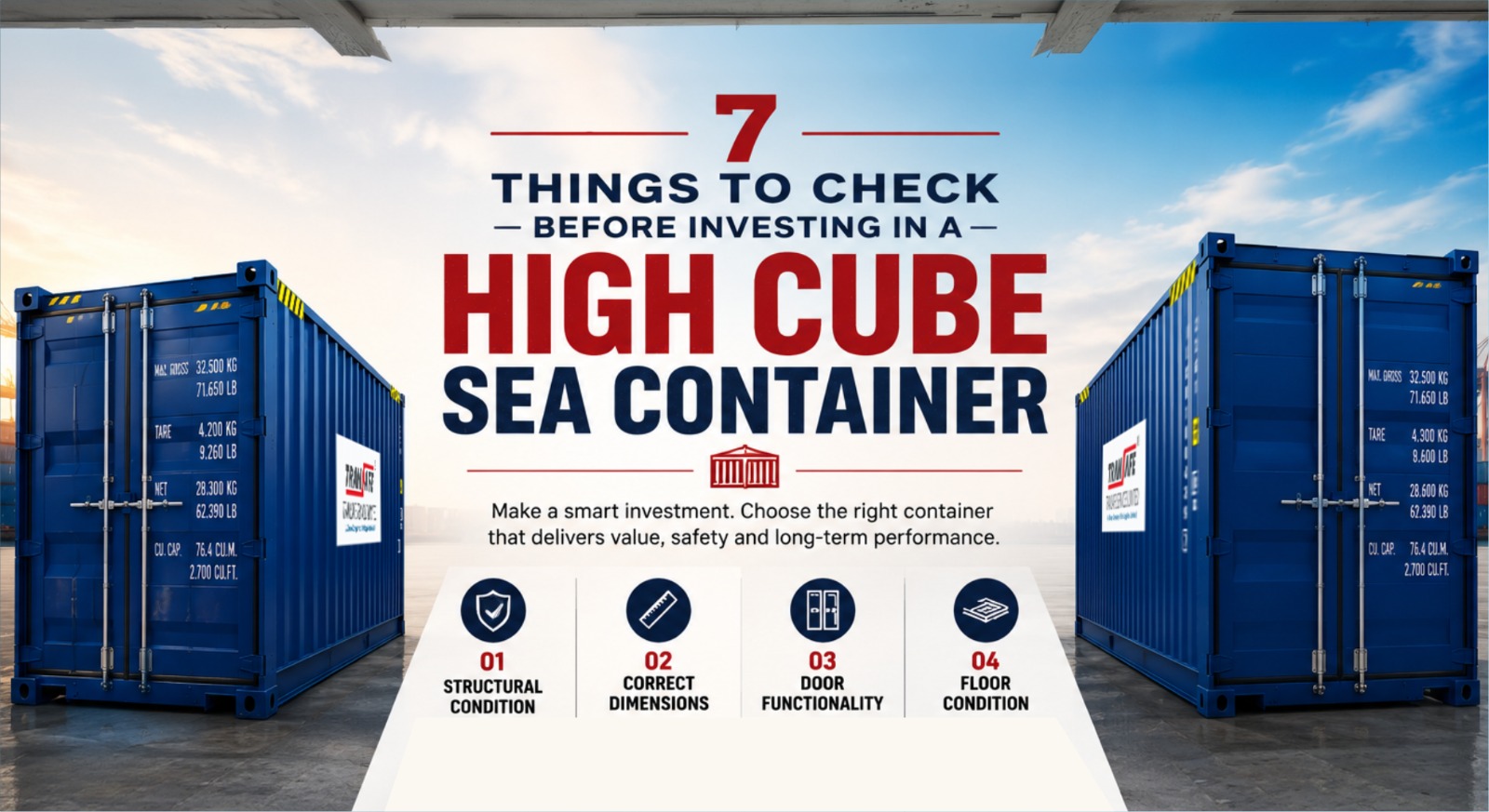
We've seen businesses lose a lot of money because they rushed to purchase a cargo container. At first glance everything looked fine; fresh paint, doors that swing shut properly, a price that feels like a great deal. Then a few months in, the cracks show. The floor gives way, repairs pile up, or the unit fails inspection because a certification quietly expired somewhere along the line. So we tell every client the same thing: before you purchase a cargo container, slow down and inspect it carefully.
The truth is, many buyers focus only on the price and how the container looks from the outside. If you're shopping around to purchase a cargo container for storage, shipping, or a conversion build, there's a short list of things worth checking before you commit.
1. Steel Grade and Corrosion Resistance
Every container looks solid from ten feet away. That's exactly the trap when someone decides to purchase a cargo container off a quick walk-around and nothing more. Corten steel, the marine-grade standard, holds up against rust far better than mild steel but sellers blend grades all the time without saying so, particularly in the used market. Purchase a cargo container from a mixed-inventory yard and you're taking a small gamble whether you know it or not.
Run a magnet near the weld joints before you sign. It might sound like overkill. It isn't. Coastal humidity around Indian ports speeds up corrosion faster than most people assume and a unit that seems fine sitting in a dry inland lot behaves completely differently once you purchase a cargo container and it spends a few monsoons near the coast.
Why does this matter beyond looks? A corroded base rail weakens stacking strength. Stack three units high in a warehouse yard on a compromised base and you're not looking at a cosmetic issue anymore, you're looking at a safety risk waiting for the wrong afternoon. Skip this step and you might purchase a cargo container that photographs beautifully and starts failing within a year of coastal exposure.
2. CSC Plate and Structural Certification
If your cargo is moving internationally, this step isn't optional and it's the one most businesses forget when they purchase a cargo container in a hurry. Any unit destined for international transport needs a valid CSC (Container Safety Convention) plate confirming its sound through the next examination cycle. We've seen cargo sitting stuck at customs for days because that plate expired weeks before someone chose to purchase a cargo container for that exact route.
Check the plate date first not as an afterthought. That's really the whole rule. Static storage units skip this requirement and that's precisely why some sellers try to push expired-certification stock onto buyers who purchase a cargo container assuming "storage-only" wording protects them regardless of use. It doesn't. Ask about the intended use up front and match the certification to it, rather than the other way around.
3. Floor Condition and Load Rating
Marine plywood flooring takes a real beating– moisture, forklift traffic, chemical residue from whatever the last cargo happened to be. It's also the spot most buyers overlook when they purchase a cargo container in a hurry. A soft patch hidden under a rubber mat turns into a genuine problem the day a loaded pallet jack rolls straight over it.
Before you purchase a cargo container for anything beyond dry, light storage, walk the whole floor yourself. Press near the corners. Press at the center. Any give at all is reason enough to walk away, not to haggle on price.
This is where confidence gets people into trouble. A container can look flawless above the floor line and still fail exactly where it counts. We won't let a client purchase a cargo container sight-unseen for this reason alone. It's the cheapest five-minute check you'll ever do before you purchase a cargo container, and it's the one most people skip because it feels unnecessary.
4. Size and Configuration: Standard, High Cube, or 40-Foot
Most first-time buyers grab whatever's cheapest or most available when they purchase a cargo container, then realize months later it doesn't fit their actual cargo. A high cube container adds roughly a foot of internal height. That sounds minor until you're stacking pallets or converting the unit into office space, where that extra headroom reshapes the entire layout.
Containers 40 feet in length work well for high-volume, low-frequency movement. They're a poor fit for businesses shipping smaller loads more often; two 20-foot units usually make more sense than one 40-footer and that's a conversation we have constantly with clients who assume bigger is automatically better the first time they purchase a cargo container.
Pick your container based on your actual cargo size and loading needs, not just whatever's most common. Before you purchase a cargo container, measure your cargo, your loading dock and your warehouse height first.
If your shipping volume spikes during busy seasons, 40-foot containers can make sense. If your volume stays steady and modest, they may not be the practical pick. Understanding your business needs before you purchase a cargo container can spare you an expensive long-term mistake.
5. Door Seals, Locking Rods and Weatherproofing
Door seals wear down over time from sun, weather and everyday use. Once they're damaged, moisture, dust, pests and humidity find their way in and damage whatever's stored inside. Locking rods rust and stiffen too if they haven't been maintained. Before you purchase a cargo container, open and close both doors a few times. Make sure they move smoothly and that the locking rods drop into the floor sockets every time, without a fight.
A door that sticks a little in a cool showroom will jam completely once it's out in field conditions after a season of exposure. Plenty of clients purchase a cargo container that looks airtight in the yard, then spend a year fighting a stuck door every single morning. It seems small until you're wrestling with it in the rain with a truck idling outside. It's exactly the kind of detail separating good containers 40 feet in length from the ones that turn into trouble the day they arrive.
6. Vendor Track Record
This is the check most buyers skip entirely and honestly, it might be the most important one here. Shipping container companies vary wildly in how transparently they grade condition and disclose repair history. Terms like "Cargo Worthy," "Wind and Water Tight," and "As Is" get applied inconsistently even within the same yard. Before you purchase a cargo container from any vendor, ask for photos of the actual unit, not a stock photo and ask how many units they move in a month. Volume tells you whether a seller genuinely understands fleet condition or is just reselling whatever came through the gate.
Reliable shipping container companies walk you through grading terms rather than assuming you already know them. If a vendor turns defensive when you start asking detailed questions before you purchase a cargo container, take that as useful information too, because it usually is.
7. Total Cost Beyond the Sticker Price
The unit price is never the full number. Transport to site, unloading equipment, any structural repairs found after delivery, site-leveling work, it all adds up to what you actually spend once you purchase a cargo container that's genuinely ready to use.
Businesses that budget for the container alone almost always end up scrambling for a second round of funds mid-project. We see it more often than we'd like. Factor in the full landed cost before you purchase a cargo container and the number you agreed to on day one won't feel like a surprise on day thirty.
How Transafe Services Helps You Make the Right Choice
At Transafe Services, we've watched plenty of buyers purchase a cargo container without checking the details that matter. Later, they end up paying for repairs, delays, or a replacement unit. That's why we help businesses make informed decisions from the start.
Whether you need help picking the right type of container, checking its condition before delivery, or finding the right fit for your business, our team is here to walk you through it. With years of experience in container manufacturing and supply, we help you sidestep costly mistakes before you purchase a cargo container.
We'd rather you spend a little extra time getting the choice right than deal with expensive problems down the line. If you're planning to purchase a cargo container, our team can help you land on a solution that fits your needs and your budget with confidence.
How Businesses Usually Compare Their Options
Most procurement teams request quotes from three or four shipping container companies, then pick whichever number looks smallest on the invoice. That's backwards. The sharper buyers we work with compare condition first and price second, because a cheaper unit that fails inspection or needs mid-project repairs ends up costing more than the "expensive" one ever would have.
If you're weighing a high cube container against a standard unit, run the numbers on what you're actually storing, not what looks cheaper per square foot on paper. And if you're torn between containers 40 feet long and a pair of 20-foot units, map it against how often you'll actually be loading and unloading, frequency changes the answer more than raw capacity does.
FAQs
1. What's the biggest mistake businesses make when they purchase a cargo container?
Buying on price alone and skipping the physical inspection. Photos and grading labels don't reveal floor damage, corrosion, or seal wear the way an in-person walkthrough does and buyers who purchase a cargo container this way usually find out the hard way, mid-project.
2. Is a high cube container worth the extra cost?
For most storage or conversion projects, yes. The added height pays off most for stacking, insulation retrofits, or office conversions. It matters less for plain dry storage of uniform pallets, so weigh your actual use case before you purchase a cargo container in this configuration.
3. Should I buy new or used ones when I purchase a cargo container?
It depends on intended use. International shipping favors newer, certified units with an active CSC plate. Static storage can often get by on older, well-maintained units at a lower cost either way, the goal is purchasing a cargo container that matches the job, not the other way around.
4. Are containers 40 feet always the smarter economic choice?
Not always. They suit high-volume, infrequent moves. Businesses with smaller, more frequent cargo runs often find two 20-foot units more flexible when they purchase a cargo container setup for regular use, containers 40 feet only pay off once volume stays consistently high.
5. How do I know if shipping container companies are reliable before I purchase a cargo container from them?
Ask for actual unit photos, straight answers on grading and repair history up front. Reliable vendors won't hesitate to answer. Evasive responses are a warning sign worth taking seriously and reason enough to walk before you purchase a cargo container from them at all.