Bunk house containers have become an essential infrastructure component across construction, energy, mining and other field-intensive industries. These modular units create a dependable living and working environment for personnel stationed at remote or temporary sites. The following structured guide examines their purpose, features, applications and considerations, along with an overview of how a reliable bunk house container manufacturer adds value to project operations.
What Is a Bunk House Container?
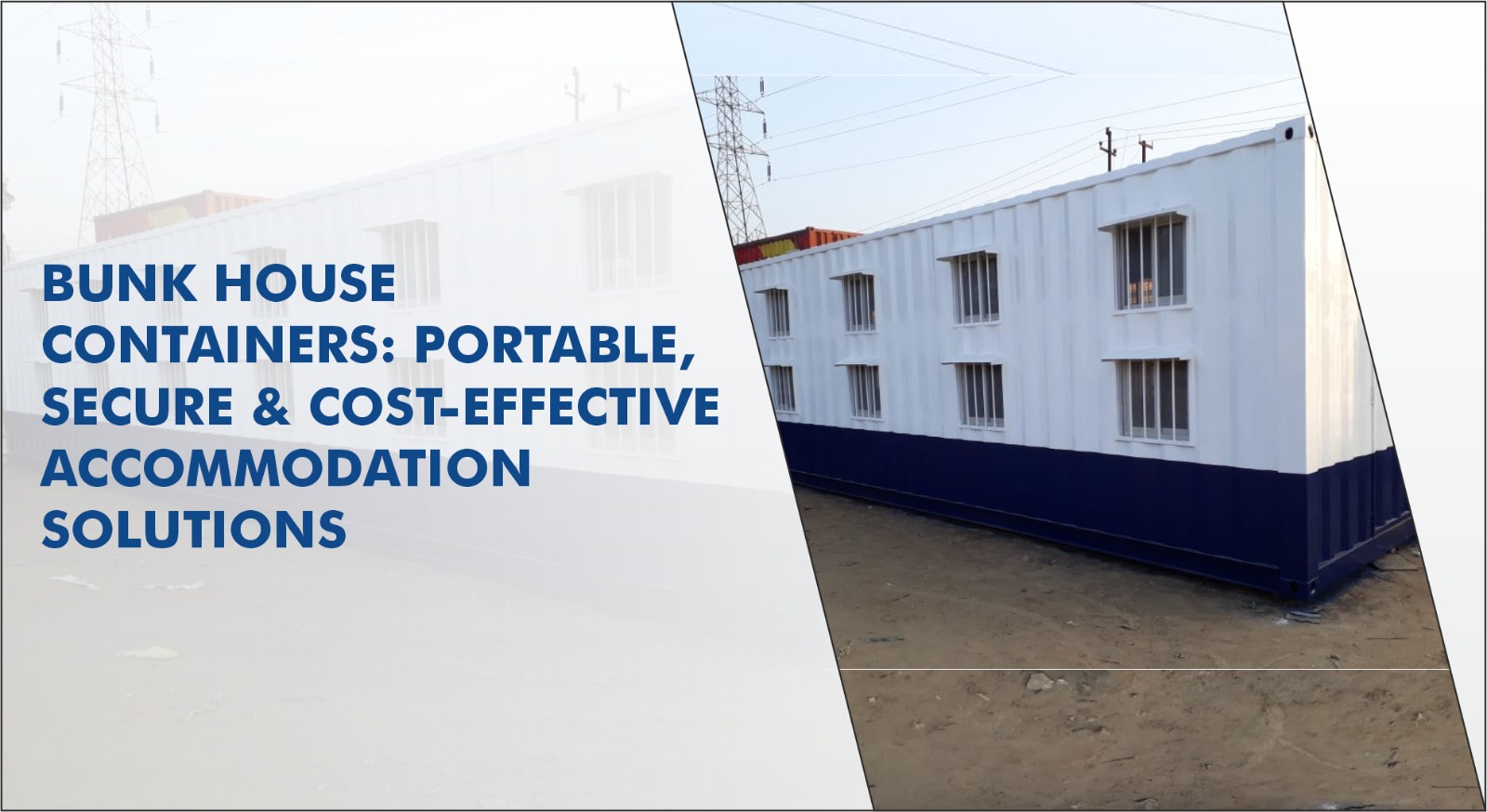
A bunk house container is a portable, containerized accommodation unit engineered to support workforce living and operational needs in remote or challenging project sites. Designed as modular structures, these units provide a secure, weather-resistant and functional environment suitable for prolonged occupancy. They are widely deployed as portable bunk house containers, site accommodation containers and labour accommodation containers depending on the operational requirement.
Why Bunk House Containers Are in High Demand
Industries operating in decentralized locations require flexible, quickly deployable and durable accommodation solutions. This demand has grown due to:
-
Increased mobility of project teams
-
Tight project schedules that demand temporary yet reliable housing
-
Rising compliance expectations for worker welfare
-
Cost advantages over traditional brick-and-mortar site housing
Bunk house containers address these requirements with faster deployment cycles, controlled costs and a standardized approach to site accommodation.
Key Features of Bunk House Containers
Modern bunk house containers deliver a functional, safe and comfortable experience. Key features include:
-
Portability: Units can be transported and positioned across multiple job sites without structural compromise.
-
Rugged Construction: Designed to withstand extreme climatic conditions.
-
Ventilation & Hygiene: Adequate airflow, insulation and sanitary layouts support long-term stays.
-
Scalability: Multiple units can be combined to form larger accommodation blocks.
-
Custom-Fit Interiors: Layouts can be optimized for sleeping, office use, storage, sanitation or utilities.
Applications of Bunk House Containers
These modular solutions cater to wide-ranging use cases across field operations. Common applications include:
-
Workforce accommodation
-
Project management cabins
-
Portable housing containers
-
Temporary site offices
-
On-site sanitation
-
Field laboratories
-
Dining and kitchen units
-
Recreation and rest spaces
Industries such as construction, mining, infrastructure development, oil & gas exploration and EPC services rely heavily on these units for seamless site operations.
Bunk House Containers for Construction & Industrial Sites
Construction and industrial establishments often operate in phases, altering workforce size and site layout throughout project execution. Site accommodation containers streamline this dynamic environment by offering:
-
Quick installation
-
Minimal civil work
-
Standardized housing for labour teams
-
Segregated zones for administration, operations and storage
-
Efficient space utilization even in congested site conditions
These units serve both short-term and long-term deployment requirements, reducing dependency on permanent infrastructure.
Design & Customization Options
Customization allows alignment of bunk houses with operational workflows. Typical configurations include:
Office Bunk House
Designed for on-site administration. Includes desks, lighting, electrical points, air conditioning and communication provisions.
Living Bunk House
Modular living quarters for personnel, equipped with beds, ventilation systems, windows, lighting and basic utilities.
Toilet/Bath Bunk House
Self-contained sanitation modules fitted with toilets, washbasins, showers and drainage systems for hygienic operations.
Kitchen/Dining Bunk House
Integrated food preparation and dining modules with equipment space, stainless steel fittings, sinks and seating.
Recreation Bunk House
Relaxation areas for downtime, typically furnished with seating, entertainment setups and recreational activities.
Store Bunk House
Secure storage units for tools, materials and spare parts, offering weather-proof protection.
Workshop Bunk House
Portable workshops with benches, tools, lighting and power outlets for field maintenance.
Laboratory Bunk House
Mobile lab setups with specialized testing, sampling and analysis equipment.
Control Centre / SCADA Bunk House
Secure and climate-controlled rooms for monitoring systems, SCADA equipment and technical operations.
A professionally built prefabricated bunk house ensures optimal ergonomics, safety and functional performance aligned to field requirements.
Safety, Comfort & Compliance Standards
Best-in-class bunk house containers meet stringent comfort and safety expectations. Typical standards include:
-
Fire-resistant materials
-
Anti-slip flooring
-
Electrical safety compliance
-
Adequate air circulation with insulated walls
-
Secure locking mechanisms
-
Weather-sealed exteriors
-
Pest-resistant design
-
Provision for emergency exits and alarms
These specifications ensure workforce well-being and adherence to regulatory norms across industries.
Advantages Over Traditional Site Housing
Bunk house containers offer measurable advantages compared to conventional site-built structures:
|
Criteria |
Bunk House Containers |
Traditional Structures |
|
Deployment Speed |
Rapid |
Time-intensive |
|
Portability |
High |
Non-portable |
|
Cost Efficiency |
Predictable & optimized |
Higher construction costs |
|
Weather Resistance |
Engineered durability |
Varies by build quality |
|
Scalability |
Modular |
Limited |
|
Compliance |
Pre-integrated features |
Needs external arrangements |
These attributes translate into higher project agility and lower lifecycle cost for site housing.
Choosing the Right Bunk House Container
Selection depends on project parameters such as:
-
Site location and weather profile
-
Required accommodation capacity
-
Functional use (living, office, storage, sanitation, lab)
-
Duration of deployment
-
Budget and operational constraints
-
Customization needs
-
Safety and utility specifications
A dependable bunk house container manufacturer should provide engineered designs, robust fabrication quality and structured after-sales support.
Why Choose Transafe Services for Bunk House Containers
Transafe Services delivers modular accommodation solutions engineered for demanding field environments. Their offerings stand out due to:
-
Strong fabrication craftsmanship
-
Weather-proof and durable construction quality
-
Purpose-built layouts tailored to industry standards
-
Seamless portability across remote locations
-
Structured installation, maintenance and service provisions
-
Ability to customize units across accommodation, office, storage, utility and technical applications
Their proven expertise ensures that every container aligns with operational efficiency, workforce comfort and long-term value creation.
FAQs
1. How long does it take to deploy a bunk house container?
Usually a few hours to a few days depending on site readiness and the number of units required.
2. Can these containers be stacked or expanded?
Yes, modular design allows stacking or horizontal expansion to create larger accommodation clusters.
3. Are bunk house containers weatherproof?
High-quality units are engineered to withstand rain, heat and other environmental conditions.
4. Are they suitable for long-term use?
Yes. With proper maintenance, they perform reliably for extended durations.
5. What utilities can be integrated?
Electrical wiring, HVAC, plumbing, lighting, communication lines and safety systems can be included.