Transporting goods safely goes beyond moving items from point A to point B. Certain products, especially perishable or sensitive commodities, demand controlled environments to retain their quality. Temperature-controlled containers have emerged as a reliable solution, ensuring products reach their destination in optimal condition. As an ISO freight and customized container manufacturer in India, Transafe Services has been at the forefront of designing containers that safeguard goods while supporting efficiency in modern supply chains.
What Are Temperature-Controlled Containers?
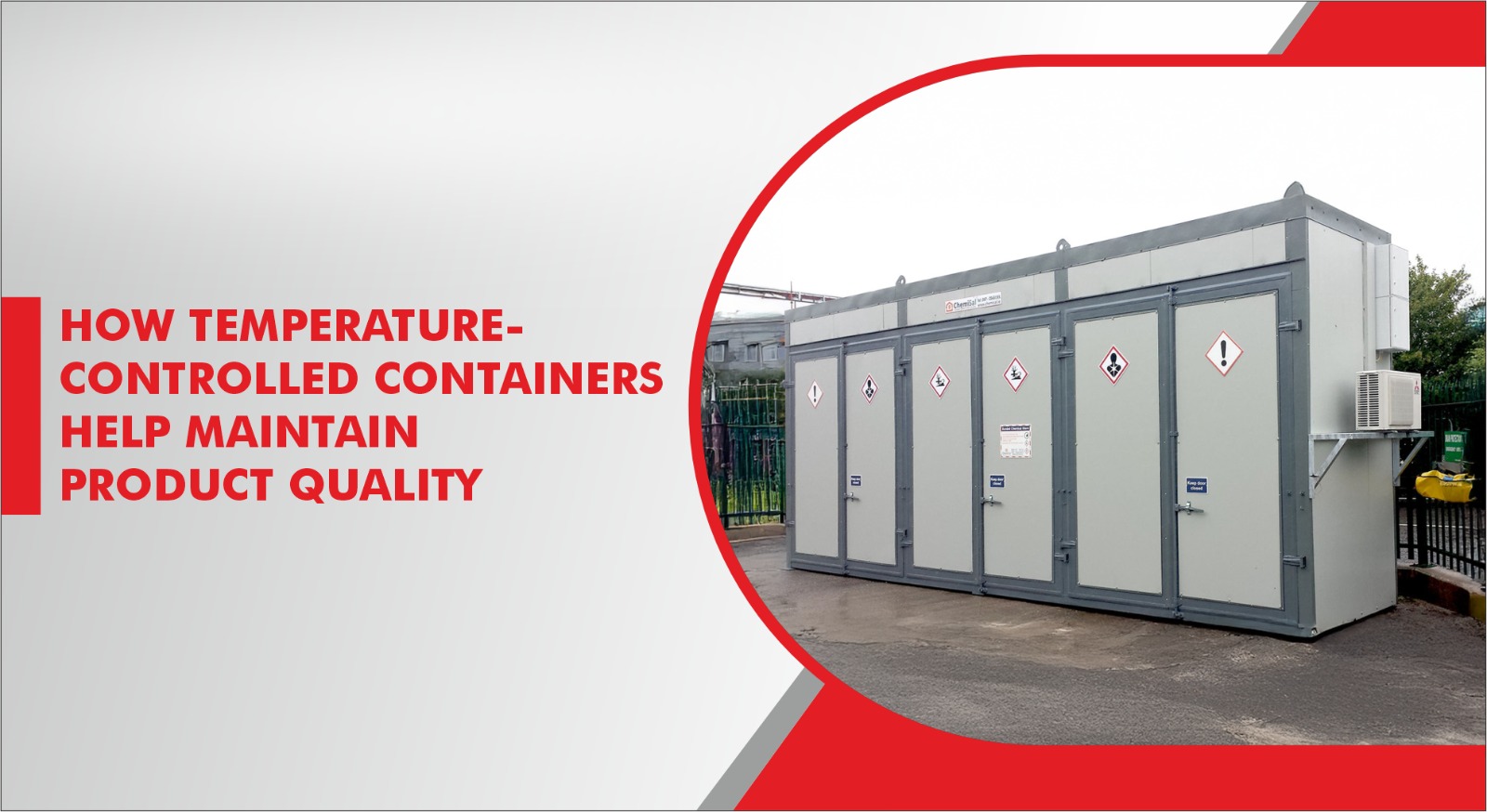
Temperature-controlled containers are specialized containers designed to maintain precise temperature levels during transit.
They are primarily of two types:
1. Refrigerated Containers (Reefer Containers):
These containers come equipped with an integrated refrigeration unit. The system allows the internal temperature to be regulated, ranging from sub-zero levels to moderate cooling depending on the product. Reefer containers are particularly suited for transporting pharmaceuticals, seafood, meat, dairy products and other perishable items.
2. Insulated Containers:
Insulated containers maintain internal temperature using thermal insulation. Unlike reefers, they do not have an active cooling or heating system. Their design ensures minimal temperature fluctuation, protecting goods in transit from external environmental changes.
Importance of Temperature Control in Modern Logistics
Temperature management is a critical aspect of supply chain operations, especially for products sensitive to heat or cold. Consistent temperature control helps in:
-
Preserving product quality and freshness.
-
Reducing waste due to spoilage.
-
Complying with regulatory standards for pharmaceuticals and food products.
-
Maintaining brand reputation by delivering products in optimal condition.
Modern logistics relies heavily on temperature-controlled containers to achieve operational reliability and meet customer expectations.
How Reefer Containers Maintain Consistent Temperature
Reefer containers incorporate advanced refrigeration units and insulation. The key features include:
-
Integrated Cooling Systems: Maintain temperatures as low as -25°C when required.
-
Temperature Monitoring: Digital sensors track temperature in real-time.
-
Airflow Management: Ensures uniform temperature distribution throughout the container.
-
Power Options: Operate via external power sources, ensuring continuous cooling during transit by road, rail or sea.
These features collectively prevent fluctuations that could compromise product integrity.
Products That Require Temperature-Controlled Transportation
Temperature-controlled containers are essential for a wide range of goods, including:
-
Pharmaceuticals: Medicines, vaccines and biologics sensitive to heat and humidity.
-
Food Products: Seafood, meat, dairy, fresh fruits and vegetables.
-
Chemical Products: Certain chemicals and reagents that require stable temperatures.
-
Luxury Items: Fine chocolates, wine and other items prone to degradation in heat.
Ensuring these products remain within their required temperature range is key to maintaining quality, safety and compliance.
Preventing Spoilage and Product Damage During Transit
Refrigerated and insulated containers reduce the risk of product loss due to temperature variations. Benefits include:
-
Reduced Spoilage: Products remain fresh for longer periods.
-
Minimized Damage: Sensitive goods are protected from extreme temperatures.
-
Consistent Delivery Standards: Uniform conditions prevent inconsistencies between shipments.
Proper packaging, combined with temperature-controlled containers, forms an essential strategy for minimizing risk during transit.
Role in Global Cold Chain Logistics
Temperature-controlled containers are integral to cold chain logistics. They enable:
-
Seamless transport of perishable goods across long distances.
-
Efficient supply chain management in sectors like food, pharma and chemicals.
-
Standardized shipping solutions through ISO-certified containers.
By integrating these containers into the supply chain, businesses can reliably manage product quality from manufacturer to end consumer.
Energy Efficiency and Advanced Monitoring Systems
Modern reefer containers focus on energy efficiency to optimize operational costs. Key features include:
-
Eco-Friendly Refrigeration Units: Reduce power consumption while maintaining temperature stability.
-
Remote Monitoring: IoT-enabled sensors allow logistics teams to track temperature in real-time.
-
Data Logging: Records temperature history for compliance and quality verification.
These systems not only maintain product integrity but also support sustainable operations.
Growing Demand for Temperature-Controlled Containers
The demand for temperature-controlled containers has increased due to:
-
Rising consumption of perishable and temperature-sensitive products.
-
Expanding global pharmaceutical and food markets.
-
Stricter regulatory standards requiring controlled storage and transport.
-
E-commerce growth and faster delivery expectations for fresh products.
Manufacturers like Transafe Services are continuously innovating to meet these demands with ISO-certified, customizable solutions tailored to diverse industries.
Conclusion
Temperature-controlled containers are no longer optional, they are critical for businesses dealing with perishable or sensitive goods. From maintaining product quality to supporting efficient cold chain operations, these containers ensure reliability, safety and compliance across global logistics networks. Choosing the right container, whether a refrigerated or insulated model, enables companies to safeguard goods, reduce losses and enhance supply chain efficiency.
FAQ
Q1. What is the difference between a refrigerated container and an insulated container?
A refrigerated container has an active cooling system, while an insulated container relies solely on thermal insulation to maintain temperature.
Q2. Can temperature-controlled containers be used for pharmaceuticals?
Yes, refrigerated and insulated containers are widely used for medicines, vaccines and other temperature-sensitive pharmaceuticals.
Q3. What temperature range can reefer containers maintain?
Reefer containers can maintain temperatures as low as -25°C and adjust to higher levels as per product requirements.
Q4. Are these containers energy efficient?
Modern temperature-controlled containers incorporate energy-efficient refrigeration units and monitoring systems to reduce power consumption.
Q5. Why is temperature control important in logistics?
Temperature control preserves product quality, reduces spoilage, ensures regulatory compliance and maintains brand reputation.