Leasing an ISO container looks simple on paper. Pick a unit, sign a contract, move cargo.
In reality, many businesses discover hidden costs, compliance issues and operational restrictions only after the leasing of containers has already started.
We have seen manufacturers, exporters, warehouse operators and procurement teams focus heavily on the monthly rental rate while ignoring factors that ultimately have a much bigger impact on supply chain costs.
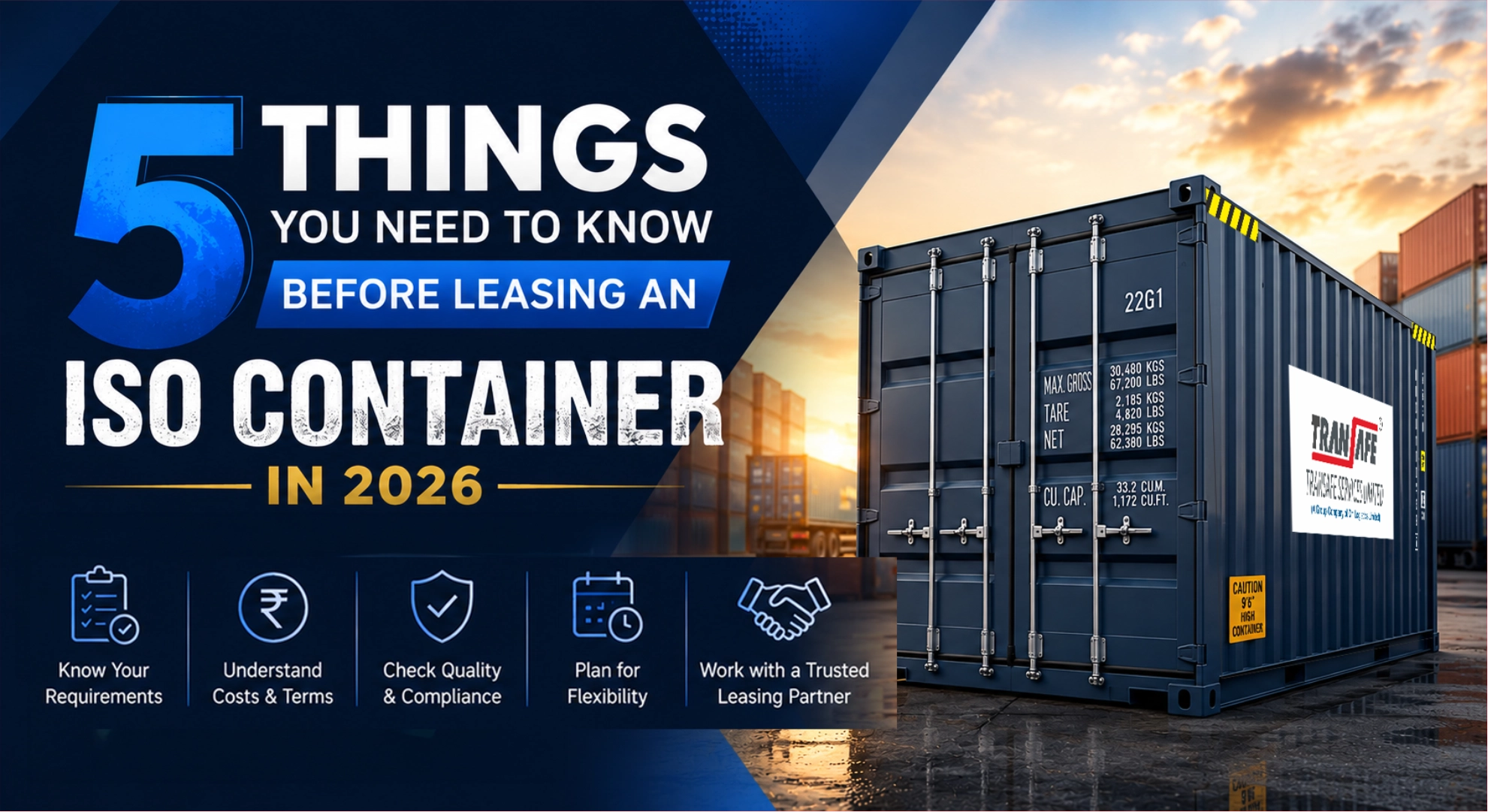
If you are considering an ISO container lease in 2026, these are the five things that deserve attention before signing any agreement.
1. The Cheapest ISO Container Is Rarely the Cheapest Option
Most companies compare lease rates first.
That is a mistake.
A low-cost ISO container can generate expenses through repairs, downtime, cargo delays, repositioning charges and rejected consigments.
Before leasing an ISO container, evaluate:
-
Container age
-
Structural condition
-
Floor quality
-
Door functionality
-
Previous repair history
-
Cargo-worthiness certification
A damaged ISO container may pass a visual inspection but still create loading and unloading problems at warehouses and ports.
Many businesses also compare lease rates against the 40 footer container price. If long-term usage exceeds three to five years, purchasing may sometimes make more financial sense than continuous leasing.
2. Always Verify CSC Compliance and Certification
This is where many first-time lessees get caught.
Every active ISO container used in international transportation must carry a valid CSC Safety Approval Plate. Without it, shipping lines, ports, insurers and customs authorities may create operational complications.
Before accepting an ISO container, verify:
-
CSC validity date
-
Container identification number
-
Inspection records
-
Maintenance history
-
Certification status
A non-compliant ISO container can cause consigment delays that cost significantly more than the lease itself.
3. Understand Damage Liability Before Signing
The leasing of containers often includes clauses that shift repair responsibility to the user.
Many companies overlook this section.
Forklift damage, door impact, floor deterioration, corrosion, dents and punctures can trigger repair charges at lease termination. Container repair decisions frequently depend on economic and maintenance criteria rather than visible damage alone.
When evaluating an ISO container, document its condition with photographs before deployment.
Ask specifically about:
-
Repair responsibility
-
Wear-and-tear definitions
-
Damage assessment standards
-
Inspection procedures
-
End-of-lease charges
A cheap ISO container lease can become expensive if repair liabilities are unclear.
4. Choose the Right ISO Container Type for the Cargo
Not every ISO container is designed for the same purpose.
We regularly see businesses lease standard dry containers when operational requirements actually demand specialized equipment.
Common options include:
-
Standard dry ISO container
-
High cube ISO container
-
Reefer ISO container
-
Open-top ISO container
-
Flat-rack ISO container
-
Tank ISO container
The biggest mistake is choosing a container based solely on availability.
An improperly selected ISO container can reduce cargo utilization, increase handling costs and create loading inefficiencies.
Even when comparing the 40 footer container price, businesses should evaluate operational suitability before focusing on acquisition costs.
5. Evaluate the Leasing Partner, Not Just the Container
The quality of the provider often matters more than the ISO container itself.
A reliable partner helps with:
-
Container availability
-
Compliance documentation
-
Inspection support
-
Asset tracking
-
Fleet flexibility
-
Emergency replacements
This becomes particularly important during seasonal demand spikes when access to quality ISO container inventory becomes limited.
For Indian businesses, working with experienced providers such as Transafe Services can help reduce operational uncertainty by providing access to certified container solutions and industry expertise without adding unnecessary procurement complexity.
Why ISO Container Leasing Is Growing in 2026
The global container leasing market continues to expand because businesses want flexibility without large capital commitments.
For many SMEs and manufacturers, leasing an ISO container offers:
-
Lower upfront investment
-
Flexible fleet sizing
-
Faster deployment
-
Reduced ownership risk
-
Easier capacity management
However, successful leasing of containers depends on understanding the operational details before signing the contract.
Conclusion
The best ISO container lease is not the lowest-priced one.
It is the container that supports cargo movement without compliance issues, repair surprises, operational delays, or hidden costs.
Before leasing an ISO container, verify certification, inspect condition, understand liability, select the correct equipment type and evaluate the provider's support capability.
Those five decisions often determine whether the lease becomes a logistics advantage or an unexpected expense.
FAQs
1. What is an ISO container?
An ISO container is a standardized freight container built according to international specifications, allowing seamless transport across road, rail and sea networks.
2. Is leasing of containers better than buying?
The leasing of containers is often better for businesses with seasonal demand, short-term projects, or limited capital expenditure budgets.
3. How important is a CSC plate on an ISO container?
A valid CSC plate is mandatory for most international shipping operations and confirms that the ISO container meets required safety standards.
4. How does the 40 footer container price affect leasing decisions?
Comparing lease costs against the 40 footer container price helps businesses determine whether leasing or ownership delivers better long-term value.
5. What are the biggest containers available for commercial use?
Among the commonly used options, high-cube 40-foot units are often considered among the biggest containers used in mainstream logistics operations, offering additional cargo volume compared to standard containers.